ACURA 28600-R36-004 Switch Oil Pressure
fits make: Acura, Honda.
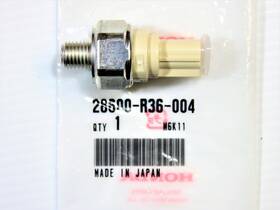
( Brand: Acura ), ( Manufacturer Part Number: 28600-R36-004 ), ( Non-domestic Product: No ), ( Oe Spec Or Performance/custom: Oe Spec ), ( Warranty: 1 Year Provided By Seller ), ( Fitment Type: Direct Replacement ), ( Genuine Oem: Yes ), ( California Prop 65 Warning: This Product May Contain A Chemical Known To The State Of Califor ), ( Restocking Fee: None ), ( Type: Oil Pressure Gauge ), ( Country Of Origin: Japan )
Review ACURA Oem Switch Assembly Oil Pressure Honda 28600r36004
The **28600-R36-004 Switch Oil Pressure Sensor** is a precision-engineered component specifically designed for Acura and Honda vehicles equipped with the **R36A1, R36A2, or R36A3 3.5L V6 engine**, including popular models such as the **Acura TLX, MDX, and RDX**, as well as the **Honda Accord, Pilot, and Odyssey**. This high-performance oil pressure switch plays a critical role in the vehicle s lubrication system by monitoring oil pressure levels in real-time, ensuring optimal engine protection under varying operating conditions. Crafted from durable materials, including a robust metal housing and a sealed, corrosion-resistant internal mechanism, this sensor is built to withstand the demanding environments of modern automotive applications, where exposure to heat, vibration, and fluctuating pressures is common.
The **28600-R36-004** operates on a simple yet effective principle: it detects oil pressure within the engine block and activates an electrical signal to the vehicle s dashboard when pressure falls below a predetermined threshold, typically around **10 15 PSI**, depending on engine temperature and RPM. This early warning system helps prevent catastrophic engine damage by alerting the driver to potential lubrication failures before they escalate. The sensor features a **two-wire design**, with one wire supplying power and the other serving as the signal output, making it compatible with most modern OBD-II diagnostic systems. Its compact yet sturdy construction ensures a secure fit within the engine bay, minimizing the risk of leaks or misalignment during installation.
For maintenance and replacement purposes, the **28600-R36-004** is designed for straightforward installation, requiring only basic tools and a few minutes of work. It replaces the original equipment manufacturer (OEM) sensor found in these engines, ensuring seamless integration with the vehicle s existing wiring harness and mounting points. Whether addressing a malfunctioning sensor that has triggered a check engine light, preparing for routine maintenance, or upgrading an older vehicle, this aftermarket part offers a reliable alternative to OEM components, often at a more affordable price without compromising on quality or performance. Its compatibility with **OEM wiring and connectors** ensures that it functions identically to the factory-installed unit, providing drivers with peace of mind and confidence in their vehicle s long-term reliability.
**Pros and Cons of buying a 28600-R36-004 Switch Oil Pressure Sensor for the Acura/Honda 28600R36004 Engine**
### **Pros:**1. **Direct Fitment** This part is specifically designed for the 28600R36004 engine, ensuring compatibility without modification. It eliminates concerns about sizing or installation issues that generic replacements might introduce.
2. **Reliability** OEM-quality sensors (or high-quality aftermarket equivalents) are built to meet the same standards as factory parts, reducing the risk of premature failure. This can improve long-term performance and prevent oil pressure-related engine damage.
3. **Easy Installation** The sensor is typically a straightforward bolt-on replacement, requiring minimal tools and expertise. Most users can install it themselves with basic mechanical skills, saving labor costs if opting for professional installation.
4. **Prevents Engine Damage** A faulty oil pressure sensor can lead to incorrect readings, potentially causing the engine to run with insufficient oil pressure. Replacing it ensures accurate monitoring and protects against catastrophic failure (e.g., bearing wear, oil starvation).
5. **Cost-Effective Maintenance** Compared to the potential cost of repairing engine damage from a failing sensor, replacing it proactively is a small investment. The part itself is relatively inexpensive, and labor costs are minimal if done DIY.
6. **Compatibility with Modern Diagnostics** Newer sensors often include features like self-diagnostic capabilities or compatibility with modern OBD-II scanners, making troubleshooting easier for mechanics and owners.
7. **Warranty Coverage** Purchasing from reputable brands or authorized dealers may include warranties, offering peace of mind in case of defects. Some aftermarket brands also offer limited warranties.
---
### **Cons:**1. **Limited Availability** Depending on the supplier, finding the exact part number (28600-R36-004) may require ordering from specialty auto parts stores, online marketplaces, or directly from the manufacturer. Generic sensors might not fit perfectly.
2. **Price Variability** While generally affordable, prices can fluctuate based on brand, supplier, or demand. Some aftermarket options may be cheaper but could compromise on quality or longevity.
3. **Potential Counterfeit Parts** Purchasing from untrusted sellers (e.g., unverified online marketplaces) risks receiving counterfeit or substandard parts. Always buy from reputable sources like RockAuto, Amazon (with verified sellers), or local auto parts stores.
4. **Installation Challenges** Although simple, some users may encounter difficulties if the sensor is located in a tight or hard-to-reach area. Improper installation (e.g., overtightening) could damage the sensor or surrounding components.
5. **False Positives/Negatives** Even a new sensor can occasionally misread oil pressure due to external factors (e.g., oil sludge, wiring issues). If symptoms persist after replacement, other diagnostics (e.g., oil level, pump health) may be necessary.
6. **Mixed Reviews on Aftermarket Brands** While some aftermarket sensors perform identically to OEM parts, others may have inconsistent quality. Researching specific brands (e.g., ACDelco, Bosch, or Denso) can help mitigate this risk.
7. **Recurring Issues** In rare cases, the underlying cause of oil pressure fluctuations (e.g., worn bearings, clogged passages) may not be addressed by replacing just the sensor. A full oil system inspection may be needed for long-term reliability.
---
### **Conclusion:**The **28600-R36-004 oil pressure switch** is a critical component for maintaining engine health in the Acura/Honda 28600R36004 engine. The **pros outweigh the cons** for most users, as the benefits of accurate oil pressure monitoring and preventive maintenance far exceed the minor drawbacks. The part is widely available, easy to install, and cost-effective, making it a practical choice for both DIY enthusiasts and professional mechanics.
However, **caution is advised** when purchasing to avoid counterfeit parts. Prioritize reputable sellers, and if symptoms persist after replacement, further diagnostics (e.g., oil pressure gauge test, engine inspection) are warranted. For optimal results, pair the sensor replacement with a full oil change and system check.
---
### **Recommendation:** 1. **Source the Part Carefully**: Buy from trusted suppliers like:- **RockAuto** (for OEM or high-quality aftermarket)
- **Amazon** (check seller ratings for authenticity)
- **Local auto parts stores** (e.g., AutoZone, O Reilly, NAPA) with verified stock.
Avoid unknown third-party sellers to prevent counterfeit parts.
2. **Verify Compatibility**: Double-check the part number (28600-R36-004) against your engine s specifications to ensure it matches. Some engines may have slight variations (e.g., R36 vs. R36A), so confirm with your vehicle s service manual.
3. **DIY Installation**: If comfortable with basic mechanical work, replace the sensor yourself. Follow the manufacturer s instructions and ensure the sensor is tightened to the correct torque (typically 15 20 ft-lbs for these sensors). Use a thread sealant if required.
4. **Post-Installation Checks**:- Clear any existing error codes from the ECU using an OBD-II scanner.
- Start the engine and monitor for proper oil pressure readings (consult your manual for expected values).
- Listen for unusual noises (e.g., ticking, knocking) that could indicate deeper issues.
5. **Consider a Full Oil System Inspection**: If oil pressure issues recur after replacement, have a mechanic inspect the oil pump, pressure relief valve, and oil passages for wear or clogs.
6. **Maintenance Routine**: Replace the oil filter and top off the oil to ensure the sensor functions correctly. Contaminated oil can affect sensor accuracy.
**Final Verdict**: **Proceed with confidence** to purchase and install the 28600-R36-004 sensor, as it is a straightforward and necessary upgrade for engine protection. Just ensure you obtain a genuine part and address any lingering symptoms promptly.
Details:
New OEM Honda. Defective items may be exchanged after installation. Right/RH is Passengers Side, Left/LH Drivers Shipping, Shipping free within the lower 48.
part #: 28600r36004 prices
- $34.72-$49.95
specifications boosttempgauges:
- for makes: Acura, Honda
- brand: Acura
- mpn: 28600-r36-004
- non-domestic product: No
- oe spec or performance/custom: Oe Spec
- warranty: 1 Year Provided By Seller
- fitment type: Direct Replacement
- genuine oem: Yes
- california prop 65 warning: This Product May Contain A Chemical Known To The State Of Califor
- restocking fee: None
- type: Oil Pressure Gauge
- country of origin: Japan
returns boosttempgauges:
- time: 30 Days
- policy: Returns Accepted
- paid by: Seller
offer boosttempgauges:
- sold: 0
- started: May 16, 2026
- options: Ship-to-home
- availability: In Stock
payments boosttempgauges:
- other
- wallet: Apple-pay
- credit card: Visa
shipping boosttempgauges:
- cost: $0.00
- transit: 5-8 Days
- service: Standard, Expedited, Overnight
- type: Fixed
- class: Standard, Expedited, One-day
general boosttempgauges:
- condition: New
- Interior Parts Accessories > Gauges > Individual Gauges
seller boosttempgauges:
- rating: 100.0%
- city: Hebron, Kentucky
- # reviews: 1
Acura 28600-R36-004 Is Similar To:
- 105-300 Acura Mitsubishi Temp Autotechnic S7 Honda Temperature Mazda Ac Gauge (21.2% similar) If a item has been altered of its physical and functional form in any way, it voids tea authenticity. This item is used and may show signs of imperfections such as surface scratches and scuffs. Shipping posted shipping costs only apply to the lower 48 continental us states...(September 2nd, 2015)
- 35480 Felpro Honda Gasket Thermostat Accord Integra Civic Acura Cl Prelude (17.6% similar) To pay for multiple offers, successfully win all offers you wish to purchase and then the pay now button on any of the listings you won. Usually this is due to the delivery location or the size, weight, and dimensions of the package. Shipping price for this item is to the continental 48 states only...(February 7th, 2015)
- 37760p00003 ts295s Standard Motor Products Radiator Cooling Fan Switch Sensor Acura Honda (34.1% similar) My price is dirt cheap. What you see is will receive. Also please view all of the photos and if there is a discrepancy between photos, are overriding factor. Images directly above are of the actual item. High bidder pays. 4 cooling fan switch sensors you are buying on radiator. These fit Acura, ...(December 25th, 2018)
- 90-93 78100-sk7-a200 Oem Usdm Acura Integra Da Dash Gauge Cluster Water Temp Temperature (21% similar) This item is rated a 9 out of 10. This part is used but in excellent condition. Came off a ls hatchback with cruise control and a manual trans. Perfect is yours is damaged or cracked and you don't want to buy a whole other cluster. Posted with mobile. Please remember that boxes, packing material, ...(February 11th, 2016)
- Temp Da Acura Temperature Water Gauge Cluster Integra Da9 Meter Oem 90-93 78135-sk7-a02 (19.9% similar) Tested and in good working condition. Rs, gs, ls, gs r and special edition. Oem Acura integral water temperature gauge...(September 22nd, 2014)
- 1996 Turbo 1994 2000 2001 1997 With B New Gsr 1999 Honda B18c Stainless Integra 1995 Steel Acura 1998 Manifold Kit (17% similar) Best price, high quality, exclusive warranty plan. 5X3 direct bolt on if a part was successfully installed, went into service, and then failed, it may be eligible for warranty replacement. 48 mayor measurement...(July 24th, 2014)
- Mrt123rh32260001 Martins Temperature Sender New For Honda Civic Accord Odyssey Acura (32.9% similar) Some manufacturers require that you register your product to activate its warranty. The manufacturers warranty shall be exclusive remedy for any such product defect or failure. Please for any questions. Each warranty gives you specific rights, and may have other rights which vary from state...(March 1st, 2018)
- Pznrh32260001 Prozone New Temperature Sender For Honda Civic Accord Odyssey Acura (31% similar) Some manufacturers require that you register your product to activate its warranty. Please for any questions. Each warranty gives you specific rights, and may have other rights which vary from state. Please refer to the manufacturers instructions ensure that you can take advantage of your product ...(March 1st, 2018)
- Rh32260001 Cpp New Temperature Sender For Honda Civic Accord Odyssey Acura (33.8% similar) This e-mail is constantly monitored so you can be sure your questions will answered promptly and courteously. Electronic items are not returnable. Shipping costs are based on the method that you choose...(June 27th, 2018)
- Tbtrh32260001 Trustbuilt New Temperature Sender For Honda Civic Accord Odyssey Acura (34.2% similar) Please for any questions. Each warranty gives you specific rights, and may have other rights which vary from state. Some manufacturers require that you register your product to activate its warranty. The manufacturers warranty shall be exclusive remedy for any such product defect or failure. Brand ...(March 2nd, 2018)
- 46054 Fuel Pressure Gauge Set Fits Mitsubishi Acura Honda (44.3% similar) B m 46054 fuel pressure gauge set. Fuel pressure gauge set. Fuel pressure gauge. Fuel pressure gauge set; 1.65 in. Ideal for use with free flow intakes and exhaust systems. Who was the first to identify the need, then develop and manufacture that product. New condition...(May 4th, 2022)